Complete Betta Fish Care Guide
Betta splendens
Betta fish, also known as Siamese fighting fish, are one of the most popular freshwater aquarium fish in the world. Their stunning colors, flowing fins, and unique personalities make them a favorite among both beginner and experienced fishkeepers. However, despite their reputation as "easy" pets, bettas require specific care to thrive.
Lifespan
3-5 years (up to 7 with excellent care)
Size
2.5-3 inches (6-7.5 cm)
Tank Size
Minimum 5 gallons (19 liters)
Temperature
76-82°F (24-28°C)
pH
6.5-7.5
Diet
Carnivore - high protein foods
Betta fish, also known as Siamese fighting fish, are one of the most popular freshwater aquarium fish in the world. Their stunning colors, flowing fins, and unique personalities make them a favorite among both beginner and experienced fishkeepers. However, despite their reputation as "easy" pets, bettas require specific care to thrive.
This comprehensive guide covers everything you need to know about betta fish care, from setting up the perfect tank to understanding their behavior and preventing common health issues. Whether you're a first-time betta owner or looking to improve your care routine, this guide will help you provide the best possible life for your betta.
Tank Setup and Requirements
The most common misconception about betta fish is that they can live in tiny bowls or vases. While bettas can survive in small containers due to their labyrinth organ (which allows them to breathe air), they certainly won't thrive. Here's what you need for a proper betta setup:
Tank Size A minimum of 5 gallons is recommended for a single betta. Larger tanks (10+ gallons) are even better as they provide more stable water parameters and swimming space. Contrary to popular belief, bettas are active swimmers and appreciate room to explore.
Filtration A gentle filter is essential for maintaining water quality. Bettas prefer calm water, so choose a filter with adjustable flow or add a baffle to reduce current. Sponge filters are an excellent choice for betta tanks.
Heating Bettas are tropical fish and require consistent temperatures between 76-82°F. An adjustable heater is necessary unless your room stays consistently warm. Temperature fluctuations can stress your betta and weaken their immune system.
Substrate and Decorations - Use smooth gravel or sand to prevent fin damage - Add live or silk plants (avoid sharp plastic plants) - Include hiding spots like caves or driftwood - Leave open swimming areas
Lighting Bettas need a regular day/night cycle. 8-12 hours of light per day is ideal. Avoid placing the tank in direct sunlight as it can cause temperature fluctuations and algae growth.
Water Parameters and Maintenance
Maintaining proper water quality is crucial for betta health. Poor water conditions are the leading cause of betta illness and shortened lifespan.
Ideal Water Parameters - Temperature: 76-82°F (24-28°C) - pH: 6.5-7.5 (bettas prefer slightly acidic to neutral) - Ammonia: 0 ppm (any ammonia is toxic) - Nitrite: 0 ppm - Nitrate: Under 20 ppm
Water Changes Perform weekly water changes of 25-30% in filtered tanks. For unfiltered tanks (not recommended), daily 25% changes or every-other-day 50% changes are necessary.
Cycling Your Tank Before adding your betta, cycle your tank for 4-6 weeks to establish beneficial bacteria. This process converts toxic ammonia to less harmful nitrate. Never do a "fish-in" cycle if possible, as it stresses the fish.
Water Conditioner Always treat tap water with a quality water conditioner to remove chlorine and chloramine. These chemicals are harmful to fish and beneficial bacteria.
Feeding and Nutrition
Bettas are carnivores and require a protein-rich diet. In the wild, they eat insects, larvae, and small crustaceans.
Best Foods for Bettas 1. High-quality betta pellets - Should be the staple diet 2. Frozen foods - Bloodworms, brine shrimp, daphnia (2-3 times per week) 3. Freeze-dried foods - Good occasional treats (soak before feeding) 4. Live foods - Excellent for enrichment and conditioning
Feeding Schedule - Feed 2-3 small meals per day - Only feed what they can eat in 2-3 minutes - A betta's stomach is roughly the size of their eye - Fast one day per week to prevent bloating
Common Feeding Mistakes - Overfeeding (leads to bloating, constipation, and poor water quality) - Feeding only flakes (low protein content) - Not varying the diet - Feeding freeze-dried foods without soaking
Health and Common Diseases
Prevention is the best medicine for betta fish. Most diseases are caused by poor water quality, stress, or improper diet.
Signs of a Healthy Betta - Vibrant colors - Active and curious behavior - Good appetite - Smooth, intact fins - Clear eyes
Common Betta Diseases
Fin Rot - Symptoms: Ragged, discolored fin edges - Cause: Bacterial infection from poor water quality - Treatment: Clean water, aquarium salt, antibiotics if severe
Ich (White Spot Disease) - Symptoms: White spots like salt grains on body and fins - Cause: Parasitic infection, often triggered by stress - Treatment: Raise temperature to 82°F, use ich medication
Velvet - Symptoms: Gold/rust dust appearance, lethargy - Cause: Parasitic infection - Treatment: Darkness, increased temperature, copper medication
Swim Bladder Disease - Symptoms: Floating sideways, difficulty swimming - Cause: Overfeeding, constipation, infection - Treatment: Fast for 2-3 days, feed daphnia, peas (blanched)
Dropsy - Symptoms: Pinecone-like scales, bloated body - Cause: Organ failure, bacterial infection - Treatment: Often fatal, quarantine, Epsom salt baths, antibiotics
Tank Mates and Compatibility
While male bettas cannot be kept together due to their aggressive nature, they can coexist with certain tank mates in appropriately sized tanks (10+ gallons).
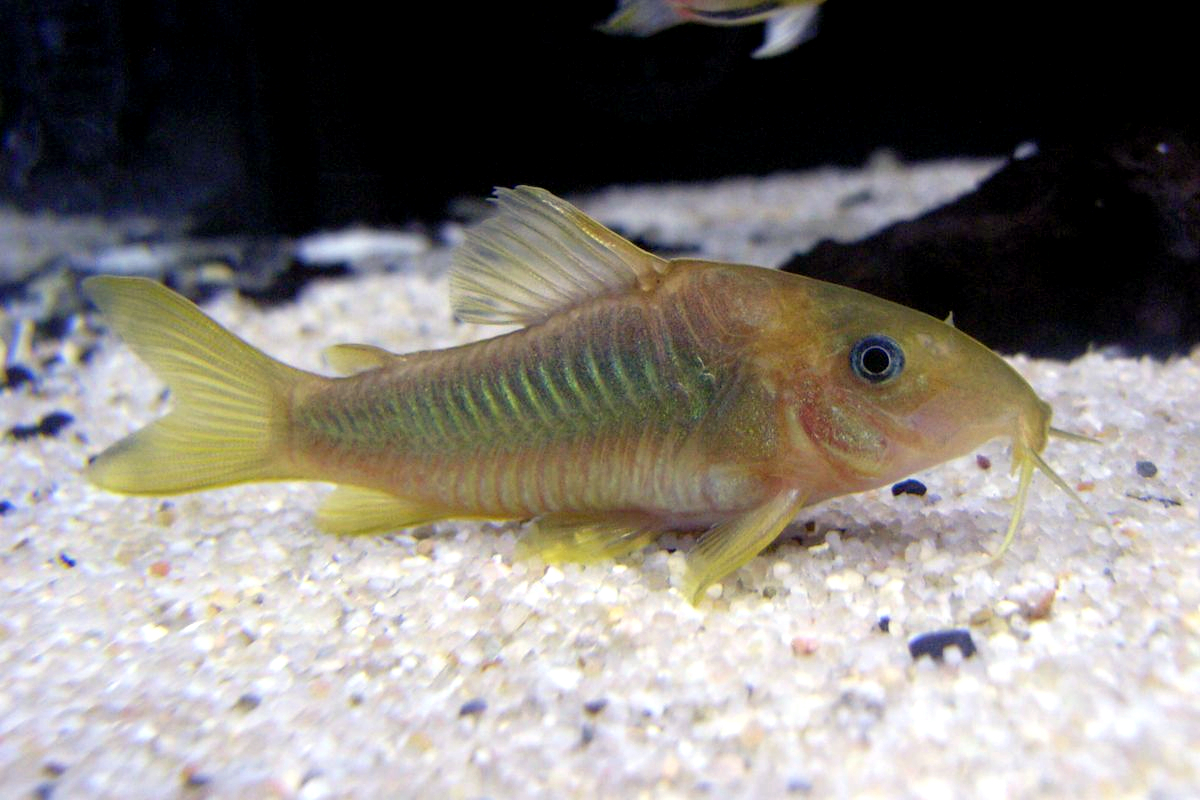
Good Tank Mates - Corydoras catfish - Kuhli loaches - Mystery snails - Nerite snails - Ghost shrimp (may be eaten) - Ember tetras - Harlequin rasboras
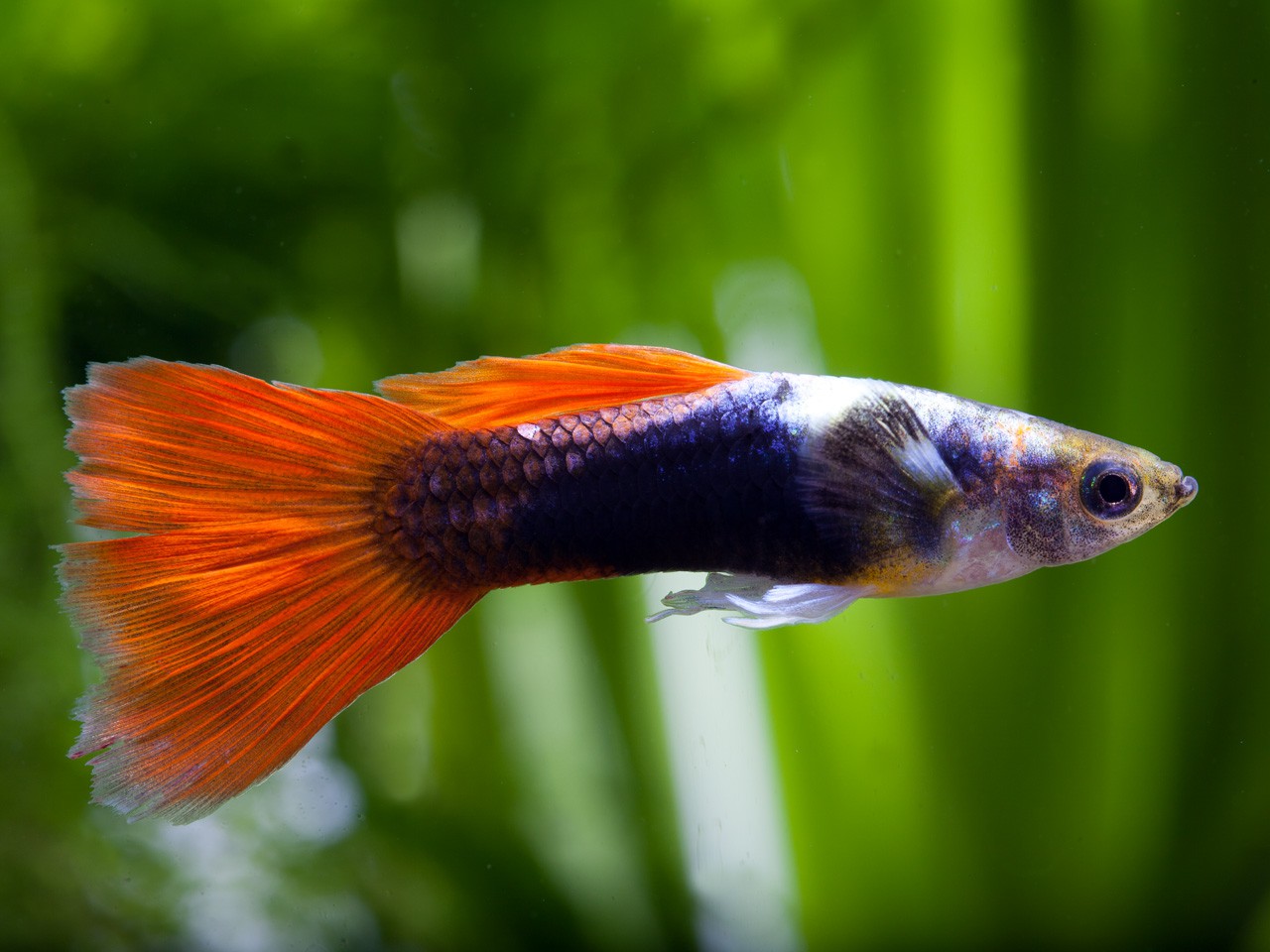
Poor Tank Mates - Other bettas (males) - Guppies (colorful fins trigger aggression) - Tiger barbs (fin nippers) - Gouramis (similar appearance) - Goldfish (different temperature needs)
Tips for Community Tanks 1. Add tank mates before the betta to reduce territoriality 2. Provide plenty of hiding spots 3. Have a backup plan if aggression occurs 4. Monitor closely during the first few weeks 5. Never keep two male bettas together
Behavior and Enrichment
Bettas are intelligent fish with distinct personalities. Understanding their behavior helps you provide better care.
Normal Betta Behaviors - Flaring (displaying fins as threat or exercise) - Bubble nest building (sign of healthy, happy male) - Exploring and patrolling territory - Resting on leaves or decorations - Coming to the front when you approach
Signs of Stress - Stress stripes (horizontal lines on body) - Faded colors - Lethargy - Loss of appetite - Clamped fins - Glass surfing (constantly swimming along glass)
Enrichment Ideas - Rearrange decorations occasionally - Add floating betta logs or leaves - Use a mirror for brief flaring sessions (1-2 minutes max) - Train your betta to follow your finger or jump for food - Add live plants for exploration
Betta Intelligence Bettas can recognize their owners, learn tricks, and even play with toys like ping pong balls. Spend time interacting with your betta daily for a happier, healthier fish.
Common Mistakes to Avoid
- 1Keeping bettas in unheated bowls or vases
- 2Not cycling the tank before adding fish
- 3Overfeeding and causing bloating
- 4Using sharp plastic decorations that tear fins
- 5Keeping male bettas together
- 6Ignoring water quality and skipping water changes
- 7Placing tank in direct sunlight
- 8Not providing a heater in cold climates
- 9Feeding only low-quality flake food
- 10Adding incompatible tank mates
Frequently Asked Questions
How long do betta fish live?
With proper care, betta fish typically live 3-5 years. Some can live up to 7 years with excellent care. Pet store bettas are usually 6-12 months old when purchased.
Can betta fish live in a bowl?
While bettas can survive in bowls, they will not thrive. A minimum 5-gallon heated and filtered tank is recommended for a healthy, happy betta.
How often should I feed my betta?
Feed your betta 2-3 small meals per day, only what they can eat in 2-3 minutes. Fast one day per week to prevent digestive issues.
Why is my betta making bubbles at the surface?
Male bettas build bubble nests as part of their breeding behavior. It is a sign of a healthy, content betta and is completely normal.
Can I keep two female bettas together?
Female bettas can be kept in groups of 5+ called sororities, but this requires a large tank (20+ gallons), many hiding spots, and careful monitoring. It is not recommended for beginners.
Why are my betta fins clamped?
Clamped fins are a sign of stress or illness. Check water parameters, temperature, and look for other symptoms of disease. Perform a water change and monitor closely.
Recommended Products
Equipment we recommend for Betta Fish care
Fluval Spec V Aquarium Kit
Perfect 5-gallon tank for bettas
Fluval E50 Heater
Precise temperature control
Hikari Betta Bio-Gold
Premium betta food
As an Amazon Associate we earn from qualifying purchases