Complete Discus Care Guide
Symphysodon spp.
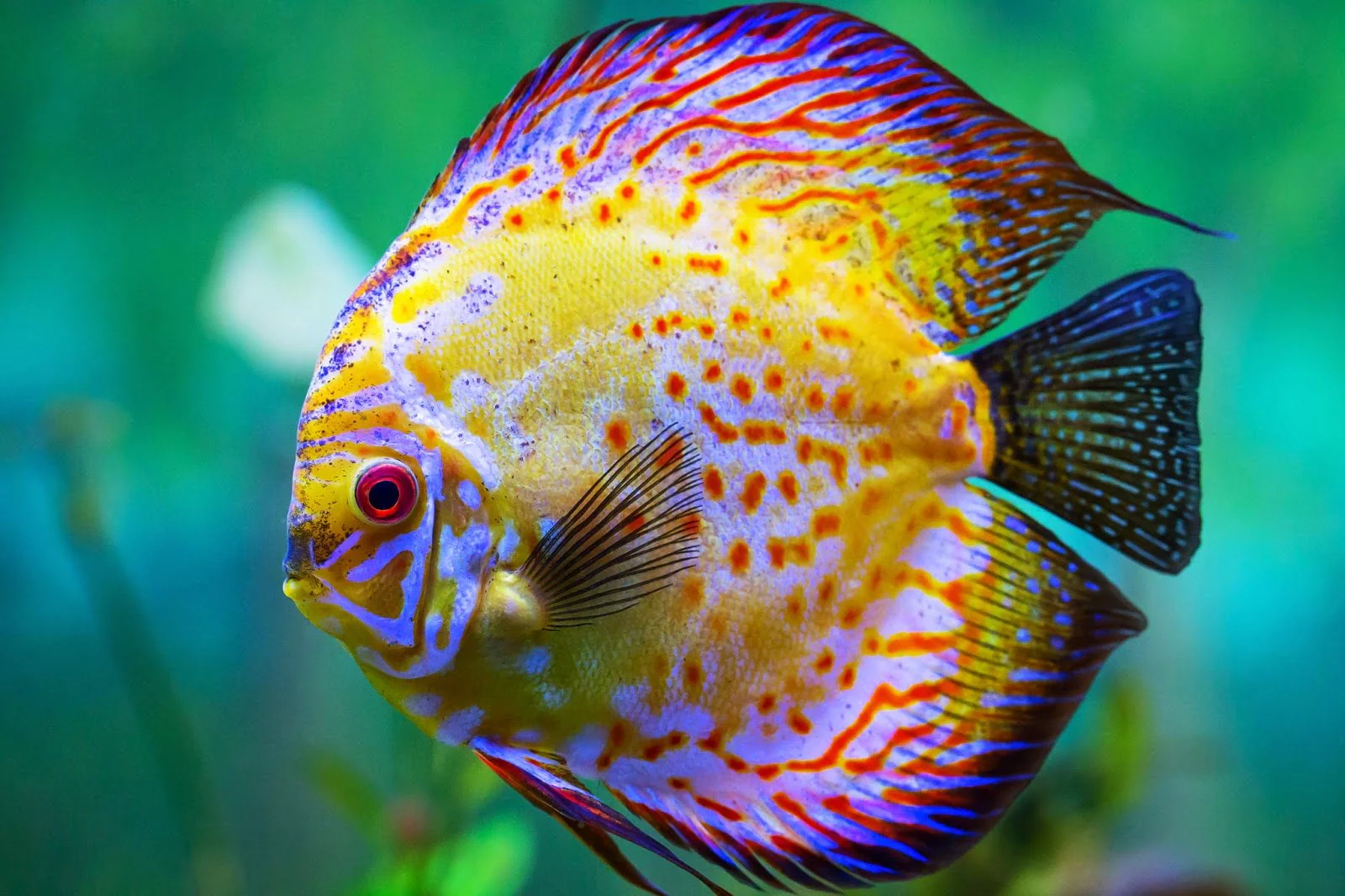
Discus fish are often called the "King of the Aquarium" for their stunning beauty and disc-shaped bodies. These South American cichlids display remarkable colors and patterns, making them highly prized among aquarists worldwide.
Lifespan
10-15 years
Size
6-8 inches (15-20 cm)
Tank Size
Minimum 55 gallons for a group
Temperature
82-88°F (28-31°C)
pH
6.0-7.0
Diet
Omnivore - high protein
Discus fish are often called the "King of the Aquarium" for their stunning beauty and disc-shaped bodies. These South American cichlids display remarkable colors and patterns, making them highly prized among aquarists worldwide.
However, discus are demanding fish requiring specific water conditions, pristine water quality, and experienced care. They are not recommended for beginners. This guide provides the knowledge needed to successfully keep these magnificent but challenging fish.
Water Requirements
Discus have strict water requirements that must be maintained consistently.
Temperature - 82-88°F is essential (higher than most tropicals) - Consistency is critical - avoid fluctuations - Quality heater with backup recommended - Many discus keepers run 84-86°F
Water Chemistry - pH: 6.0-7.0 (slightly acidic) - Very soft water preferred (0-5 dGH) - Some strains adapt to harder water - RO water often used
Water Quality - Ammonia/Nitrite: Must be 0 - Nitrate: Under 10 ppm preferred - Pristine water is non-negotiable - Multiple daily water changes for juveniles - Adults: 25-50% water changes 2-3x weekly
Why So Demanding? - Discus are sensitive to poor conditions - Stress leads to disease quickly - Wild-caught especially sensitive - Captive-bred more adaptable but still demanding
Tank Setup
Setting up a proper discus tank requires careful planning.
Tank Size - 55 gallons minimum for small group - 75-100+ gallons recommended - Discus need swimming space - Height important for these tall fish
Bare Bottom vs Substrate - Many breeders use bare bottom (easier cleaning) - Sand acceptable if maintained well - Gravel can trap waste - Personal preference - both can work
Filtration - Powerful biological filtration essential - Canister filters recommended - Sponge filters good for secondary - Avoid strong current
Plants and Decorations - Some keepers prefer bare tanks - Plants possible with high light/CO2 - Driftwood releases tannins (beneficial) - Avoid sharp decorations
Lighting - Moderate lighting preferred - Intense light can stress discus - Timer for consistent day/night cycle
Feeding Discus
Proper nutrition is essential for discus health and coloration.
High-Quality Foods - Discus-specific pellets or flakes - Beefheart mix (traditional but controversial) - Frozen bloodworms (treat, can carry parasites) - Brine shrimp, mysis shrimp - Quality gel foods
Homemade Beefheart Mix Many discus keepers prepare homemade food: - Beefheart (trimmed of fat) - Shrimp, fish, vegetables - Vitamins, spirulina - Blended and frozen in portions
Feeding Schedule - Juveniles: 4-6 small meals daily - Sub-adults: 3-4 meals daily - Adults: 2-3 meals daily - Remove uneaten food immediately
Feeding Tips - Variety is essential - Don't overfeed (water quality) - Some discus are picky eaters - New fish may need coaxing to eat
Health and Disease
Discus are susceptible to various health issues, especially when stressed.
Common Diseases
Discus Plague - Symptoms: Darkening, slime coat issues, rapid death - Highly contagious - Treatment: Metronidazole, pristine water - Often fatal, quarantine essential
Hexamita (Hole in Head) - Symptoms: Pitting, white feces - Related to flagellate parasites - Treatment: Metronidazole, improved diet
Gill Flukes - Symptoms: Rapid breathing, scratching - Treatment: Praziquantel
Internal Parasites - Common in new/wild discus - Symptoms: Thin, white feces, weight loss - Treatment: Antiparasitic medications
Prevention - Quarantine all new fish 4-6 weeks - Maintain pristine water - Reduce stress - Buy from reputable breeders - Observe fish daily for early signs
Tank Mates
Choosing tank mates for discus is challenging due to their specific requirements.
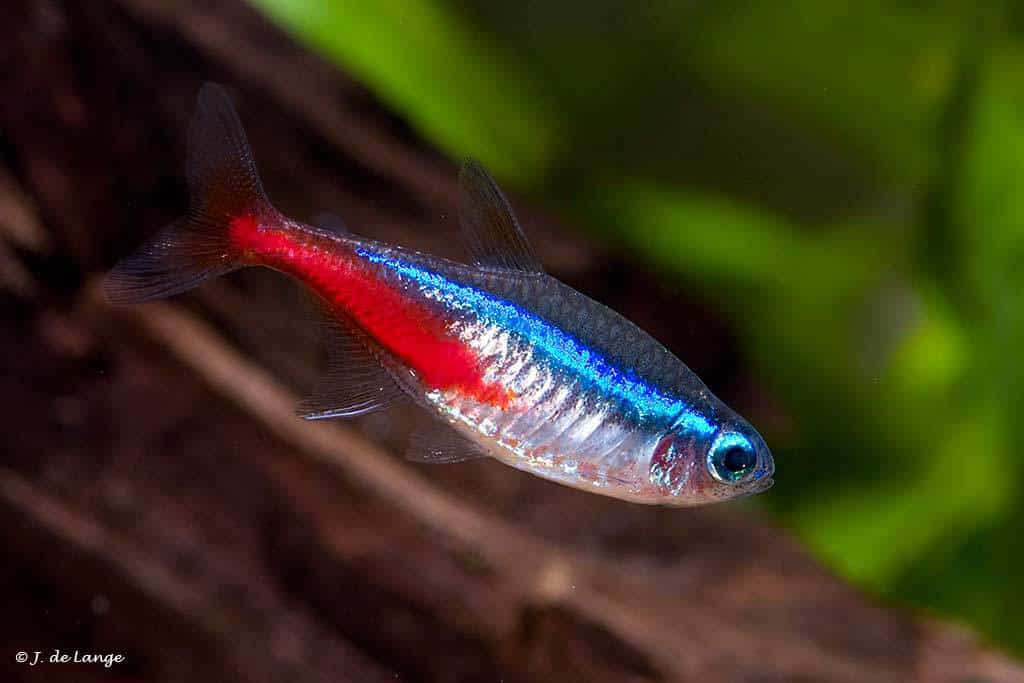
Good Options - Other discus (should be kept in groups) - Cardinal tetras (match temp requirements) - Rummy nose tetras - Corydoras (sterbai tolerates high temps) - Bristlenose plecos - German blue rams
Avoid - Aggressive fish - Competitive eaters - Fish requiring cooler water - Very active fish that stress discus - Nippy species
Discus-Only Tanks Many keepers maintain discus-only tanks: - Easier to meet requirements - No competition for food - Cleaner appearance - Less disease risk
Group Size - Keep discus in groups of 5+ - Reduces aggression and stress - Allow 10+ gallons per fish - Single discus often stressed
Common Mistakes to Avoid
- 1Keeping in temperatures below 82°F
- 2Inadequate water change schedule
- 3Keeping alone instead of in groups
- 4Not quarantining new fish
- 5Using medications without diagnosis
- 6Overfeeding and polluting water
- 7Keeping with incompatible tank mates
- 8Buying sick fish from poor sources
- 9Attempting discus as first fish
- 10Not investing in quality equipment
Frequently Asked Questions
Are discus hard to keep?
Yes, discus are challenging fish requiring stable high temperatures, pristine water quality, and attentive care. They are not recommended for beginners.
Why are discus so expensive?
Discus are expensive due to their beauty, difficulty to breed, slow growth rate, and specialized care requirements. High-quality strains from reputable breeders command premium prices.
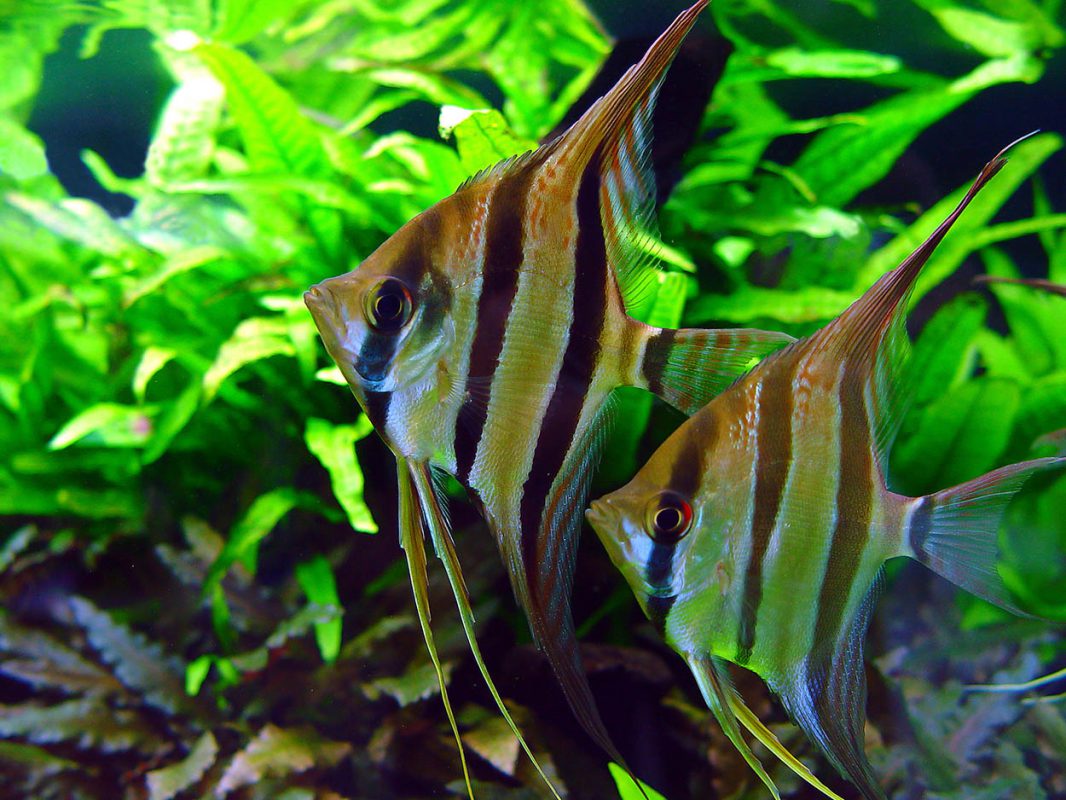
Can discus live with angelfish?
Yes, but with caution. Both are South American cichlids with similar requirements. Angels can be more aggressive, so ensure the tank is large enough with hiding spots.
How many discus should I keep?
Keep discus in groups of 5 or more. They are social fish that display better behavior and less stress in groups. Single discus often become shy and stressed.
Recommended Products
Equipment we recommend for Discus care
API Freshwater Master Kit
Essential water testing
Seachem Prime
Best water conditioner
Python Water Changer
Easy water changes
As an Amazon Associate we earn from qualifying purchases