Complete Pleco Care Guide
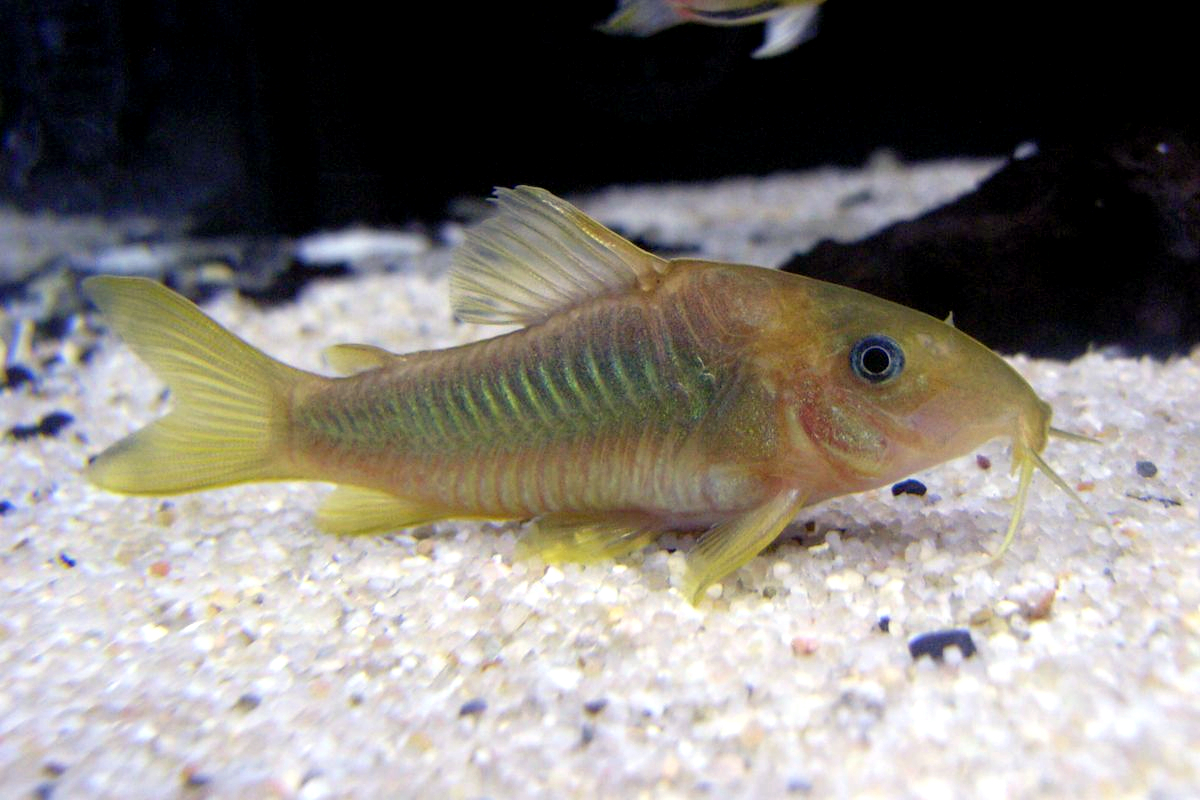
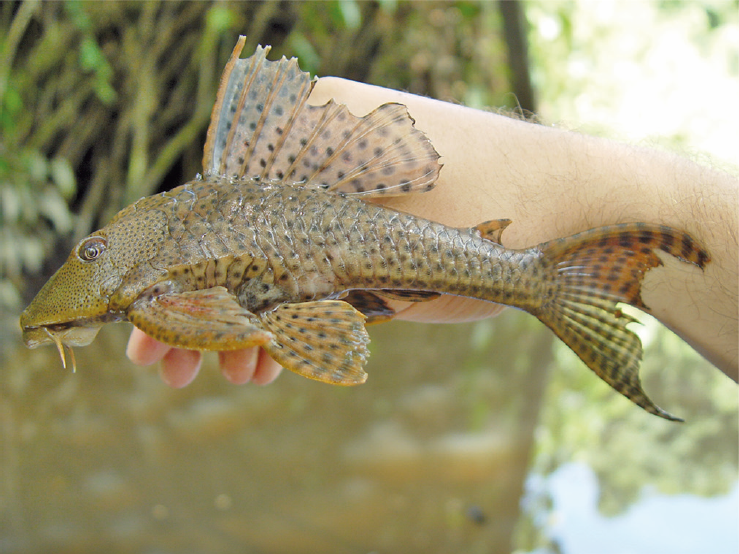
Hypostomus plecostomus
Plecos (short for Plecostomus) are armored catfish popular in the aquarium hobby, often purchased to control algae. However, many aquarists don't realize the true size and needs of these fish, leading to inadequate care.
Lifespan
10-25 years depending on species
Size
4-24 inches depending on species
Tank Size
30 gallons (bristlenose) to 100+ (common)
Temperature
72-82°F (22-28°C)
pH
6.5-7.5
Diet
Omnivore - not just algae!
Plecos (short for Plecostomus) are armored catfish popular in the aquarium hobby, often purchased to control algae. However, many aquarists don't realize the true size and needs of these fish, leading to inadequate care.
The common pleco can reach 18-24 inches and live 20+ years, requiring tanks of 100+ gallons. Fortunately, smaller species like the bristlenose pleco (4-5 inches) offer the same benefits in a more manageable size. This guide covers both types and their care requirements.
Pleco Species Overview
Choosing the right pleco species is crucial for long-term success.
Common Pleco (Hypostomus plecostomus) - Size: 18-24 inches - Tank: 100+ gallons - Lifespan: 20-25 years - NOT suitable for most home aquariums
Bristlenose Pleco (Ancistrus spp.) - Size: 4-5 inches - Tank: 30+ gallons - Lifespan: 10-15 years - Recommended for most hobbyists
Other Popular Species - Clown Pleco: 3-4 inches, great for small tanks - Rubber Lip Pleco: 5-6 inches, stays smaller - Royal Pleco: 12-17 inches, needs large tank - Zebra Pleco: 3-4 inches, rare and expensive
The Problem with Common Plecos Pet stores sell juvenile common plecos as "algae eaters" without explaining they can grow to 2 feet. Research before buying!
Diet and Nutrition
The biggest misconception is that plecos survive on algae alone.
Plecos Need More Than Algae - Algae is supplemental, not primary food - Plecos can starve in "clean" tanks - They need regular feeding like any fish
Essential Foods - Algae wafers (staple) - Sinking pellets - Fresh vegetables: zucchini, cucumber, squash - Blanched greens: spinach, lettuce, kale
Protein Sources - Bloodworms (occasional) - Brine shrimp - High-quality sinking pellets - Some species need more protein than others
Driftwood - Many plecos REQUIRE driftwood - They rasp on it for fiber and digestion - Essential for species like clown plecos - Provides hiding spots too
Feeding Schedule - Feed after lights out (nocturnal) - Remove uneaten vegetables after 24 hours - Don't assume they're eating tank algae
Tank Setup
Proper tank setup ensures pleco health and longevity.
Tank Size - Bristlenose: 30+ gallons - Common Pleco: 100+ gallons - Larger is always better
Hiding Spots Essential - Plecos are shy and nocturnal - Need caves, driftwood, plants - PVC pipes work well as caves - Multiple hiding spots reduce stress
Driftwood - Mandatory for most species - Provides fiber for digestion - Releases beneficial tannins - Creates natural hiding spots
Substrate - Sand or smooth gravel - Avoid sharp substrates - Makes foraging easier
Filtration - Plecos are messy fish - Strong filtration required - Regular maintenance essential - Creates waste similar to body size
Common Health Issues
Plecos are generally hardy but can face certain problems.
Starvation - Most common problem - Occurs when relying on tank algae alone - Symptoms: Sunken belly, lethargy - Prevention: Feed regularly
Ich - Plecos can get ich like any fish - Symptoms: White spots - Treatment: Raise temperature, medication - Scaleless areas more susceptible
Bloat - Symptoms: Swollen belly - Causes: Poor diet, internal parasites - Prevention: Varied diet, driftwood
Fin Rot - Symptoms: Deteriorating fins - Cause: Poor water quality - Treatment: Clean water, medication if needed
Prevention - Maintain excellent water quality - Feed appropriate diet with variety - Provide driftwood - Keep stable parameters - Regular water changes
Common Mistakes to Avoid
- 1Buying common plecos for small tanks
- 2Assuming plecos survive on algae alone
- 3Not providing driftwood
- 4Inadequate hiding spots
- 5Ignoring their size potential
- 6Keeping in tanks with aggressive fish
- 7Poor water quality due to their waste
- 8Not feeding because tank has algae
Frequently Asked Questions
How big do plecos get?
It depends on species. Common plecos reach 18-24 inches. Bristlenose plecos stay 4-5 inches. Always research the specific species before buying.
Do plecos eat poop?
No, plecos do not eat fish waste. They are often mistakenly purchased as "tank cleaners" but they actually add to the bioload with their own waste.
Why is my pleco always hiding?
Plecos are nocturnal and naturally hide during the day. This is normal behavior. Provide adequate hiding spots and observe them after lights are out.
Do plecos need driftwood?
Many pleco species require driftwood for fiber in their diet. Even species that don't strictly need it benefit from having it available.
Recommended Products
Equipment we recommend for Pleco (Plecostomus) care
API Freshwater Master Kit
Essential water testing
Seachem Prime
Best water conditioner
Python Water Changer
Easy water changes
As an Amazon Associate we earn from qualifying purchases
Tank Mate Compatibility
Find out which fish can live with your Pleco (Plecostomus).
Check Compatibility