Complete Oscar Fish Care Guide
Astronotus ocellatus
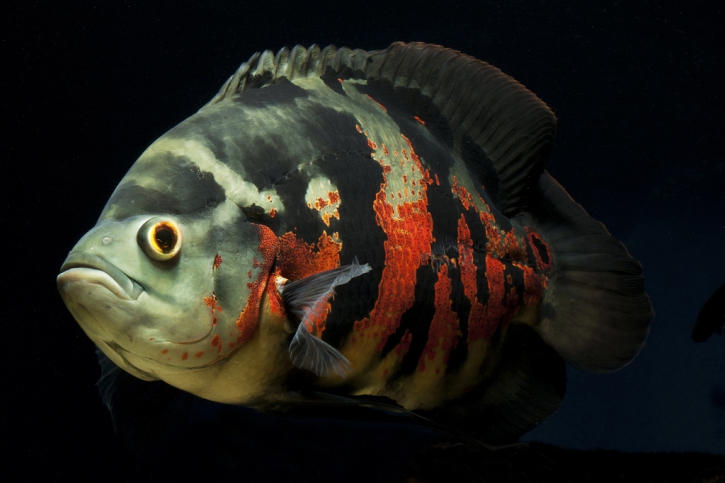
Oscar fish are among the most intelligent and personable freshwater aquarium fish available. These South American cichlids are known for their dog-like personalities, often recognizing their owners and even learning tricks. However, their large size and aggressive nature make them unsuitable for community tanks.
Lifespan
10-20 years
Size
12-14 inches (30-35 cm)
Tank Size
Minimum 75 gallons for one
Temperature
74-81°F (23-27°C)
pH
6.0-8.0
Diet
Carnivore - varied meaty foods
Oscar fish are among the most intelligent and personable freshwater aquarium fish available. These South American cichlids are known for their dog-like personalities, often recognizing their owners and even learning tricks. However, their large size and aggressive nature make them unsuitable for community tanks.
Oscars can grow over 12 inches and live for 10-20 years with proper care. They require large tanks, powerful filtration, and a dedicated owner willing to meet their needs. This guide covers everything you need to successfully keep these magnificent fish.
Tank Size and Setup
Oscars are large, active fish that need substantial space.
Minimum Tank Size - 75 gallons for a single oscar - 125+ gallons for a pair - Add 50+ gallons per additional oscar
Why Big Tanks Matter - Oscars grow 12-14 inches - They are messy eaters producing heavy waste - Active swimmers needing room to move - Territorial and need space to establish territories
Substrate and Decorations - Sand or large smooth gravel - Oscars rearrange their tanks constantly - Avoid small decorations they can swallow - Secure heavy items to prevent injury - Some keepers use bare bottom for easier cleaning
Filtration - Canister filter rated for 2-3x tank volume - Consider multiple filters - Oscars are extremely messy - Weekly water changes of 25-50% essential
Feeding Oscar Fish
Oscars are greedy eaters with hearty appetites. A varied diet keeps them healthy and colorful.
Staple Foods - High-quality cichlid pellets - Should make up 70% of diet - Choose pellets appropriate for large fish
Protein Sources - Frozen foods: krill, shrimp, silversides - Live foods: earthworms, crickets, mealworms - Fresh seafood: shrimp, fish fillets (occasional)
Foods to Avoid - Feeder fish (disease risk, poor nutrition) - Mammal meat (beef heart controversial) - Processed human foods
Feeding Schedule - Juveniles: 2-3 times daily - Adults: Once daily or every other day - Fast 1-2 days per week - Only feed what they eat in 2-3 minutes
Overfeeding Problems - Oscars beg constantly but don't overfeed - Leads to obesity, fatty liver disease - Pollutes water rapidly
Oscar Behavior and Intelligence
Oscars are remarkably intelligent and develop unique personalities.
Signs of Intelligence - Recognize their owners - Beg for food when you approach - Can be trained to do tricks - Show excitement at feeding time - May allow petting (with caution)
Territorial Behavior - Oscars are territorial cichlids - Will attack fish that enter their space - Aggression increases with age - Breeding pairs can be extremely aggressive
Tank Rearranging - Oscars move decorations constantly - Move gravel, uproot plants - This is normal behavior - Secure or remove items they might damage
Mood Indicators - Color fading when stressed or unhappy - Laying on side (can indicate illness or just resting) - Glass surfing may indicate poor conditions - Fin flaring shows aggression or excitement
Tank Mates for Oscars
Choosing tank mates for oscars is challenging due to their size and aggression.
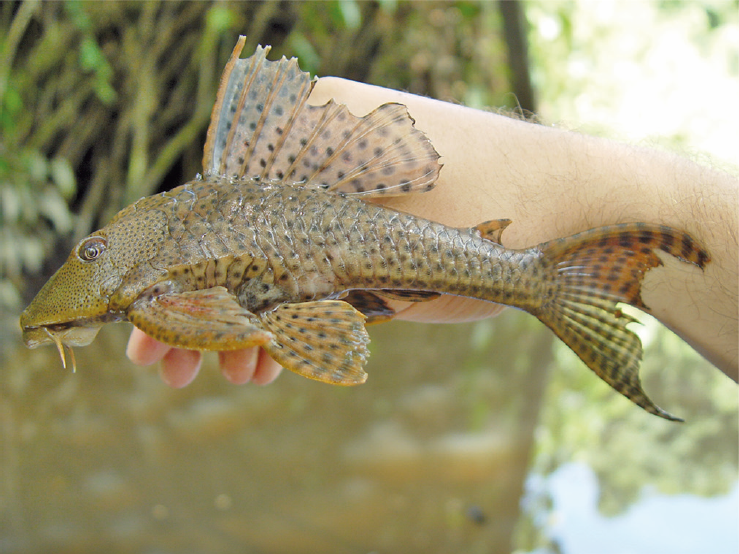
Possible Tank Mates - Other oscars (in large enough tank) - Large plecos (common pleco, sailfin) - Silver dollars (in groups) - Large catfish (pictus, Raphael) - Convict cichlids (can hold their own) - Jack Dempseys (similar temperament)
Poor Tank Mate Choices - Any fish small enough to eat - Slow-moving fish - Long-finned fish - Timid or peaceful species - Expensive fish you can't afford to lose
Single Species Tank Many keepers choose to keep oscars alone or with one large pleco. This eliminates compatibility concerns.
Breeding Pairs - Oscars form strong pair bonds - Extremely aggressive when breeding - Remove all other fish during spawning
Health and Common Issues
Oscars are generally hardy but susceptible to certain conditions.
Hole in the Head (HITH) - Common oscar disease - Symptoms: Pits/holes on head and lateral line - Causes: Poor water quality, diet deficiency, stress - Treatment: Improve water, varied diet, medications
Ich - White spots on body - Often triggered by temperature drops - Treatment: Raise temp to 86°F, medication
Fin Rot - Ragged, deteriorating fins - Caused by poor water quality - Treatment: Clean water, antibiotics if severe
Bloat - Swollen belly - Often from overfeeding or poor diet - Treatment: Fast, Epsom salt, improve diet
Prevention - Maintain excellent water quality - Varied, high-quality diet - Avoid overfeeding - Keep stable temperature - Regular water changes
Common Mistakes to Avoid
- 1Keeping oscars in tanks smaller than 75 gallons
- 2Using feeder fish as primary diet
- 3Keeping with small fish that become food
- 4Not providing adequate filtration
- 5Overfeeding and causing obesity
- 6Ignoring water quality due to their hardiness
- 7Adding decorations that can be swallowed
- 8Underestimating their lifespan commitment
- 9Keeping multiple oscars in undersized tanks
- 10Not securing tank lid (oscars can jump)
Frequently Asked Questions
How big do oscars get?
Oscars typically reach 12-14 inches in captivity. With excellent care, some can reach 16+ inches. They grow quickly, reaching near full size in 1-2 years.
Can I keep an oscar in a 55 gallon tank?
A 55-gallon tank is too small for an adult oscar. While juveniles can temporarily live in smaller tanks, adults need at least 75 gallons, with 100+ gallons being ideal.
Do oscars recognize their owners?
Yes! Oscars are highly intelligent and learn to recognize their owners. They often beg for food and may become excited when you approach the tank.
Can oscars live with other fish?
Oscars can live with other large, robust fish in appropriately sized tanks. Good options include large plecos, silver dollars, and similarly-sized cichlids. Small fish will be eaten.
Recommended Products
Equipment we recommend for Oscar Fish care
API Freshwater Master Kit
Essential water testing
Seachem Prime
Best water conditioner
Python Water Changer
Easy water changes
As an Amazon Associate we earn from qualifying purchases